
Ensuring Mesotherapy Safety in UK Clinics
Explore mesotherapy for skin, skin boosters, intramuscular syringes and post-treatment skincare trusted by UK practitioners. Ideal for therapy aesthetic protocols, microneedling facial treatment support and safe, consistent clinical results.
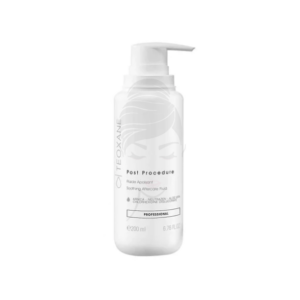
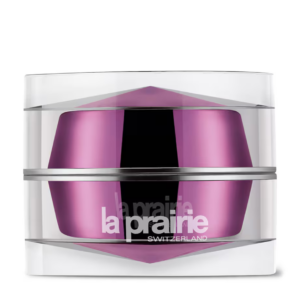
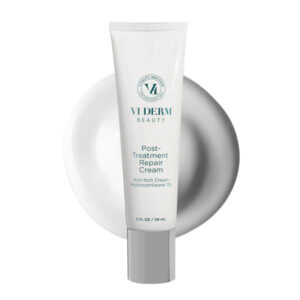
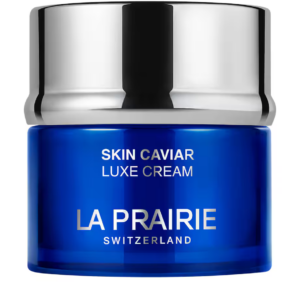
Understanding Mesotherapy Safety in the UK
Mesotherapy is a popular aesthetic treatment that involves delivering micro-injections of vitamins, enzymes, and hormones into the skin to rejuvenate and tighten. While it offers numerous benefits, including improved skin texture and hydration, safety should always be a top priority. It is crucial for both practitioners and clients to be aware of the potential risks associated with mesotherapy, such as allergic reactions or infections. Choosing a reputable clinic that adheres to safety standards and uses professional-grade products, like those offered by Derma4U, can significantly reduce these risks.
Patients should also consider the qualifications and experience of the practitioners administering the treatment. Proper training in techniques such as microneedling and the use of intramuscular syringes is essential for achieving optimal results while minimizing complications. Being informed about these aspects can help individuals make educated decisions, ensuring a safe and effective mesotherapy experience.
Mesotherapy Safety: UK Clinic Tips
Ensuring safety in mesotherapy treatments is crucial for both practitioners and clients. This guide offers key insights for UK clinics to enhance safety standards and improve treatment outcomes.
Understanding Mesotherapy Safety
Mesotherapy involves delivering nutrients and rejuvenating agents directly into the skin, enhancing its appearance while prioritising patient safety through professional techniques and products.
Choosing Quality Products
Utilising professional-grade mesotherapy products, such as those from Derma4U, ensures optimal results and reduces the risk of complications during treatment procedures.
Training and Expertise
Practitioners should possess the necessary training and experience to administer mesotherapy safely, guaranteeing a high standard of care and client satisfaction.
The 5 Most Important Questions to Ask about Mesotherapy Safety
What are the key safety considerations for mesotherapy treatments in the UK?
Ensure practitioners are fully qualified and experienced in mesotherapy. Use only professional-grade products from reputable suppliers. Conduct thorough consultations to assess patient suitability and discuss potential risks. Follow strict hygiene protocols to prevent infections. Adhere to UK regulations and guidelines to ensure patient safety and achieve optimal results.
How should patients care for their skin after a mesotherapy session?
After a mesotherapy session, patients should gently cleanse their skin with a mild cleanser and avoid using makeup for at least 24 hours. It's essential to apply a high-SPF sunscreen to protect the skin from UV exposure and avoid strenuous exercise, saunas, or hot baths for 48 hours to minimise irritation.
What are common side effects of mesotherapy and how can they be managed?
Common side effects of mesotherapy include bruising, swelling, and redness at the injection site. These effects are typically mild and resolve within a few days. To manage them, apply a cold compress, avoid strenuous activities, and follow post-treatment care instructions provided by your practitioner to ensure optimal recovery.
What tips can clinics follow to ensure mesotherapy procedures are safe and effective?
Clinics should ensure practitioners are fully trained and certified, use sterile equipment, and select high-quality, professional-grade mesotherapy products. Conduct thorough patient consultations to assess suitability and discuss potential risks. Adhere to strict hygiene protocols and provide comprehensive aftercare instructions to enhance safety and effectiveness of mesotherapy treatments.
How can practitioners educate patients about mesotherapy safety and aftercare?
Practitioners can educate patients by providing detailed consultations that cover the procedure, potential risks, and expected outcomes. They should also offer written aftercare instructions, emphasising the importance of following these guidelines to ensure safety and optimal results. Encouraging open communication for any post-treatment concerns is also essential.
Mesotherapy Origins
Mesotherapy was first developed in 1952 by Dr. Michel Pistor in France for pain management and vascular conditions.
Mesotherapy Process Explained
Mesotherapy is a non-surgical cosmetic treatment that involves the injection of a tailored solution into the mesoderm, the middle layer of skin. This solution typically contains vitamins, enzymes, hormones, and plant extracts, aimed at rejuvenating and tightening skin, as well as removing excess fat. At Derma4U, the emphasis is on utilizing professional-grade products, ensuring safety and optimal results for clients.
The process begins with a thorough consultation where the practitioner assesses the client’s skin type and discusses desired outcomes. Following this, a numbing cream may be applied to minimize discomfort during the procedure. Using fine needles or a mesotherapy gun, the practitioner administers the solution in small amounts directly into the target area. The procedure is generally quick, taking between 20 to 30 minutes, depending on the treated area.
Post-treatment care is crucial for achieving the best results and involves specific steps to minimize side effects. Clients are advised to avoid makeup for at least 24 hours and to stay out of direct sunlight. Practitioners may also recommend professional microneedling treatments as a complementary procedure to enhance the effects of mesotherapy, further promoting natural skin tightening and improved skin texture.
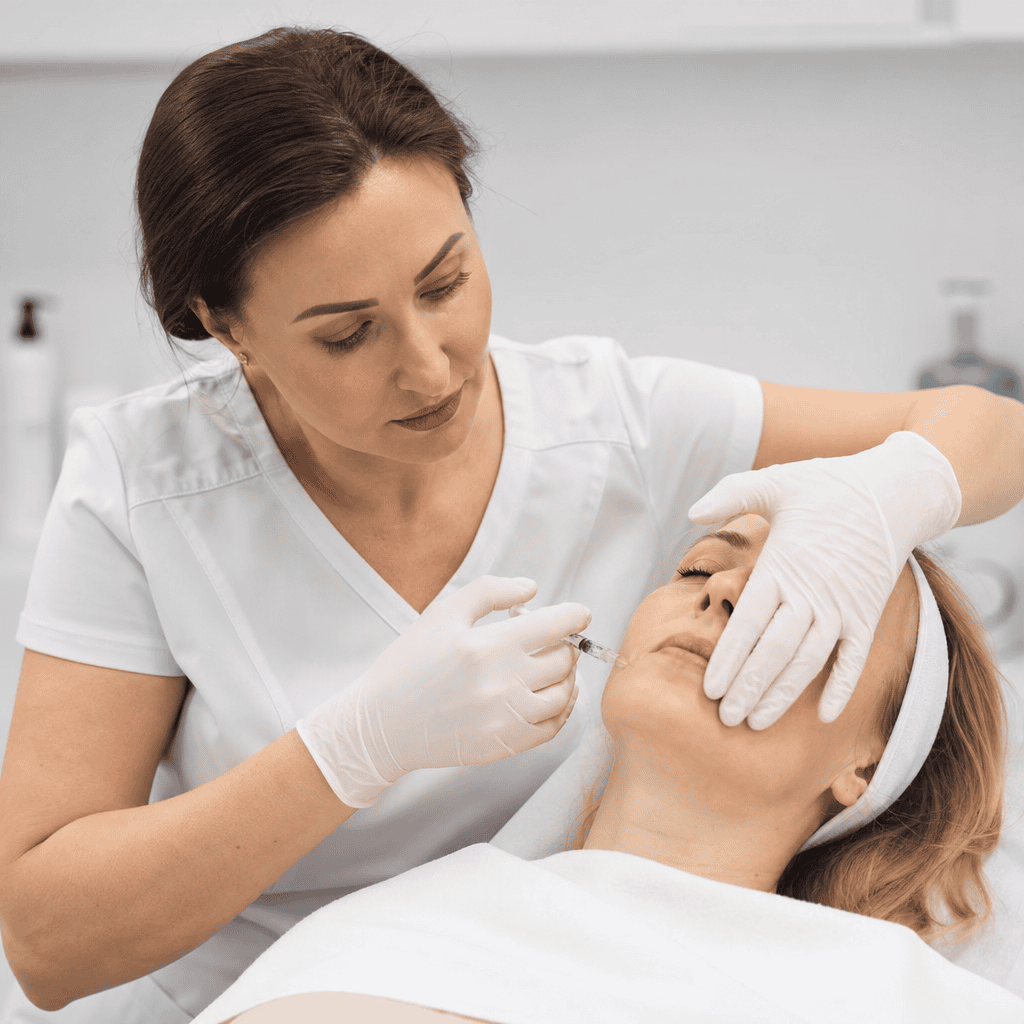
Mesotherapy Safety: UK Clinic Tips
Discover essential safety tips for UK clinics offering mesotherapy treatments, ensuring effective and secure procedures for aesthetic professionals and their clients.
Choose Quality Products
Select professional-grade mesotherapy products, like the NCTF 135 HA Nanosoft Kit, to ensure safety and efficacy in skin treatments.
Proper Practitioner Training
Ensure all practitioners are trained in microneedling facial treatment techniques and the use of intramuscular syringes for optimal client safety.
Follow Post-Treatment Care
Implement comprehensive post-treatment care, including microneedling and retinol application, to promote natural skin tightening and enhance treatment results.
The 5 Most Important Questions to Ask about Mesotherapy Safety
What are the safety measures to consider when undergoing mesotherapy treatments?
Ensure the practitioner is qualified and experienced, using sterile equipment and professional-grade products. Confirm the clinic follows UK regulations and guidelines. Discuss any allergies or medical conditions beforehand, and follow post-treatment care instructions to minimise risks and enhance results.
How should I care for my skin after a mesotherapy session for optimal results?
After a mesotherapy session, keep your skin hydrated and avoid sun exposure for at least 48 hours. Refrain from using harsh skincare products and avoid strenuous exercise to minimise irritation. Use a gentle cleanser and apply a soothing moisturiser to support healing and maintain optimal results.
What is the difference between microneedling and mesotherapy for skin rejuvenation?
Microneedling involves using fine needles to create micro-injuries in the skin, stimulating collagen production for rejuvenation. Mesotherapy, on the other hand, involves injecting a mixture of vitamins, enzymes, and other ingredients into the skin's middle layer to nourish and revitalise it, enhancing overall skin health and appearance.
Are there any side effects associated with mesotherapy and how can they be managed?
Mesotherapy can cause side effects such as bruising, swelling, or redness at the injection site. These are typically mild and temporary. To manage them, practitioners should use professional-grade products, ensure proper technique, and advise clients on post-treatment care, including avoiding sun exposure and using gentle skincare products.
How can professional microneedling enhance the results of mesotherapy treatments?
Professional microneedling can enhance mesotherapy treatments by creating micro-channels in the skin, which improve the absorption of mesotherapy products. This synergy allows for deeper penetration of active ingredients, leading to more effective rejuvenation, improved skin texture, and enhanced overall results.