
Understanding Skin Needling and Mesotherapy
Discover skin needling devices, mesotherapy solutions and post-treatment skincare suited to collagen induction, stretch marks, pores, acne scarring and overall skin rejuvenation for clinics and aesthetic practitioners.

Understanding Skin Needling and Mesotherapy
Skin needling and mesotherapy are two popular aesthetic treatments that cater to various skin concerns, yet they operate through distinct mechanisms. Skin needling, often referred to as microneedling, involves the use of fine needles to create micro-injuries in the skin, stimulating collagen production and enhancing skin texture. This method is particularly effective for addressing issues such as stretch marks, smile lines, and large pores, making it a versatile choice for practitioners.
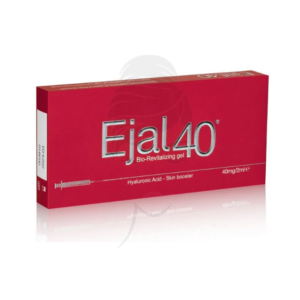
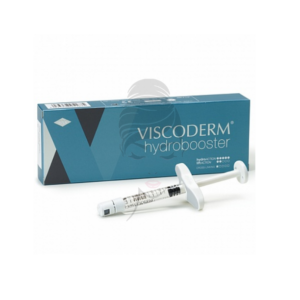
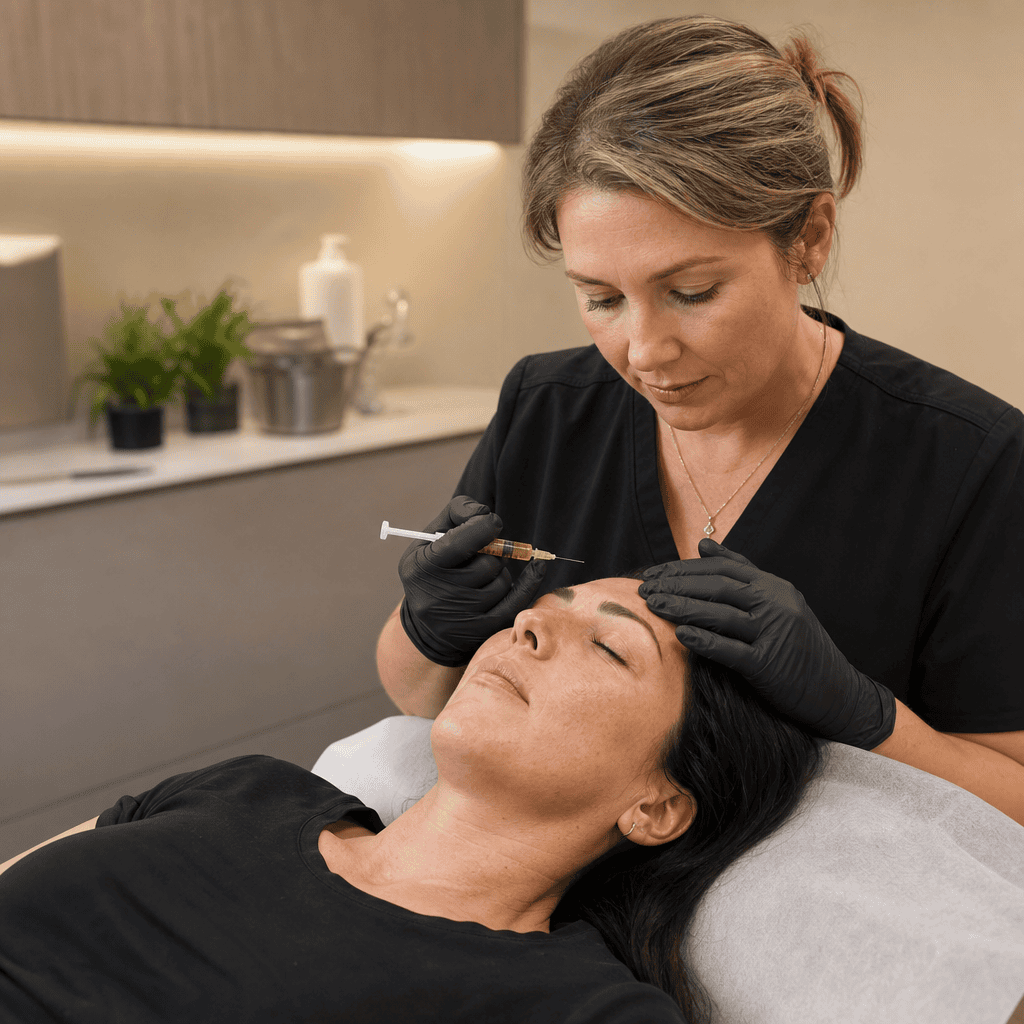
On the other hand, mesotherapy involves the injection of a customized cocktail of vitamins, enzymes, and other active ingredients directly into the mesoderm, the middle layer of the skin. This technique targets issues like dehydration, pigmentation, and localized fat deposits, providing a more holistic rejuvenation approach. Understanding the differences between these treatments is crucial for aesthetic professionals and clients alike, as it enables informed decisions tailored to specific skin needs. Continue reading to explore the benefits and applications of both methods.
Skin Needling & Mesotherapy Comparisons
In the realm of aesthetic treatments, skin needling and mesotherapy offer unique benefits and applications. Understanding their differences can help clinics provide tailored solutions for their clients’ skincare needs.
Understanding Skin Needling
Skin needling, also known as microneedling, stimulates collagen production, making it effective for treating various skin concerns, including stretch marks and smile lines.
Exploring Mesotherapy
Mesotherapy delivers targeted nutrients and revitalising substances directly into the skin, promoting hydration and rejuvenation, ideal for addressing issues like large pores and uneven texture.
Benefits and Outcomes of Each Treatment
Both treatments enhance skin quality, but while skin needling focuses on collagen induction, mesotherapy provides essential vitamins and hydration, offering complementary benefits for optimal results.
The 5 Most Important Questions to Ask about Skin Needling and Mesotherapy
What are the key differences between skin needling and mesotherapy in aesthetic treatments?
Skin needling, also known as microneedling, involves using fine needles to create micro-injuries in the skin, promoting collagen production and skin rejuvenation. Mesotherapy, on the other hand, involves injecting a cocktail of vitamins, enzymes, and other ingredients into the skin to nourish and rejuvenate. Both treatments target different skin concerns and offer distinct benefits.
How does mesotherapy compare to skin needling in terms of effectiveness for skin rejuvenation?
Mesotherapy and skin needling both aim to rejuvenate the skin, but they work differently. Mesotherapy involves injecting a cocktail of vitamins and nutrients to nourish and revitalise the skin, while skin needling stimulates collagen production through micro-injuries. Both can be effective, but the choice depends on specific skin concerns and desired outcomes.
What are the benefits of choosing mesotherapy over skin needling for facial treatments?
Mesotherapy offers the advantage of delivering a customised blend of vitamins, enzymes, and other active ingredients directly into the skin, targeting specific concerns like hydration and rejuvenation. This method can provide more immediate and visible results in addressing pigmentation, fine lines, and skin elasticity compared to skin needling alone.
Can mesotherapy and skin needling be used together for enhanced results?
Yes, combining mesotherapy and skin needling can enhance results by targeting different skin layers. Skin needling stimulates collagen production, while mesotherapy delivers active ingredients directly into the skin. This combination can improve skin texture, hydration, and overall appearance, but should only be performed by trained professionals to ensure safety and efficacy.
What should practitioners know about the safety and outcomes of skin needling versus mesotherapy?
Practitioners should understand that both skin needling and mesotherapy are generally safe when performed by trained professionals. Skin needling, including microneedling, can effectively address issues like stretch marks and large pores, while mesotherapy delivers nutrients directly into the skin. Both treatments require proper aftercare to optimise outcomes and minimise risks.
Microneedling Origins
Originally used for scar treatment, microneedling has evolved into a popular technique for various skin concerns.
The Treatment Process Explained
Skin needling, also known as microneedling, involves creating micro-injuries in the skin using fine needles. This process stimulates the body’s natural wound healing response, promoting collagen and elastin production. Microneedling can address various skin concerns, including stretch marks, smile lines, and ice pick scars. The procedure typically utilizes devices like dermal rollers or automated pens, with needle lengths varying from 0.5 mm to suit different treatment areas and skin conditions.
On the other hand, mesotherapy involves the injection of a cocktail of vitamins, enzymes, hormones, and plant extracts into the skin. This non-surgical technique aims to rejuvenate and tighten the skin, as well as remove excess fat. Mesotherapy is often recommended for its ability to target multiple skin issues simultaneously, making it a versatile option for aesthetic professionals seeking to enhance their clients’ skin health and appearance.
Both treatments can be complemented by high-quality products such as those offered by Derma4U. Mesotherapy and microneedling can be tailored to individual client needs, ensuring optimal results. Professional-grade products, like those from Derma4U, support the healing process, promote skin health, and enhance the overall effectiveness of these aesthetic treatments. By understanding these processes, practitioners can make informed decisions to offer the best possible care to their clients.
Skin Needling & Mesotherapy Comparisons
Explore the key differences and benefits of skin needling and mesotherapy for various skin concerns and conditions.
Treatment Techniques
Skin needling uses tiny needles to stimulate collagen, while mesotherapy involves injecting nutrients directly into the skin for rejuvenation.
Targeted Skin Concerns
Microneedling addresses stretch marks, smile lines, and scars, whereas mesotherapy focuses on hydration and skin tone improvement.
Recovery and Results
Both treatments offer minimal downtime, with visible improvements in skin texture and appearance after a few sessions.
The 5 Most Important Questions to Ask about Skin Needling and Mesotherapy
What are the main differences between skin needling and mesotherapy for treating skin concerns?
Skin needling, or microneedling, involves creating micro-injuries to stimulate collagen production, ideal for treating scars and fine lines. Mesotherapy, on the other hand, delivers vitamins and other active ingredients directly into the skin, targeting hydration and rejuvenation. Both treatments offer unique benefits depending on the specific skin concern.
How effective is microneedling for reducing stretch marks compared to other treatments?
Microneedling is considered effective for reducing stretch marks by stimulating collagen production and improving skin texture. While results can vary, it is often favoured for its minimal downtime compared to more invasive treatments. Combining microneedling with other therapies, such as mesotherapy, may enhance outcomes for more pronounced stretch marks.
Can microneedling be used to improve the appearance of smile lines and how does it work?
Microneedling can effectively improve the appearance of smile lines by stimulating collagen production and enhancing skin elasticity. The process involves creating tiny punctures in the skin, which triggers the body's natural healing response, leading to firmer, smoother skin. This non-invasive treatment is popular for its rejuvenating effects.
What needle depth is recommended for microneedling treatments targeting ice pick scars?
For microneedling treatments targeting ice pick scars, a needle depth of 1.5 to 2.0 mm is generally recommended. This depth allows for effective penetration to stimulate collagen production and improve the appearance of these deep, narrow scars. Always ensure treatments are performed by trained professionals.
How does NCTF microneedling differ from traditional microneedling techniques in skin rejuvenation?
NCTF microneedling combines traditional microneedling with the infusion of a specialised cocktail of vitamins, amino acids, and coenzymes to enhance skin rejuvenation. This approach not only stimulates collagen production but also delivers essential nutrients directly into the skin, offering more comprehensive anti-ageing benefits compared to standard microneedling techniques.