
Ensuring Safety and Aftercare for Dissolving Cheek Fillers
Cheek Filler Dissolving & Aftercare Essentials
Browse hyaluronidase, skin-repair products and post-treatment essentials designed to support safe cheek filler dissolving, recovery and patient comfort. Ideal for aesthetic practitioners managing volume correction, wrinkles botox concerns and smile lines.
Dissolving Cheek Filler Safety & Aftercare
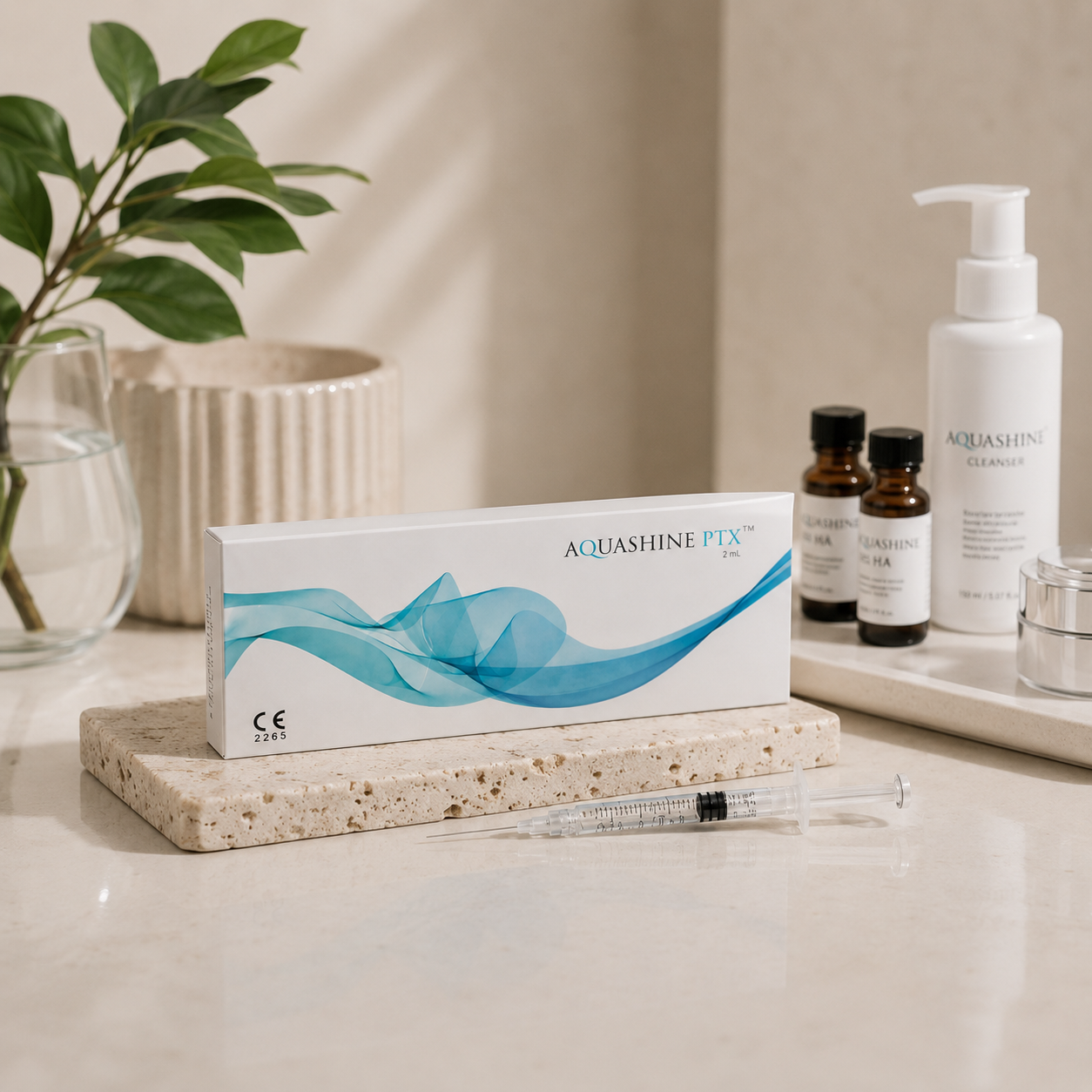
Check suitability first
Before dissolving cheek filler, review medical history, previous filler type, treatment date and any allergy concerns. A patch test may be needed before hyaluronidase use. Assess whether the issue is product placement, swelling or natural ageing. Patients asking about wrinkles botox or get rid of smile lines may need separate treatment planning.

Use safe clinical technique
Treatment should be performed in a clean clinical setting with emergency protocols in place. Correct product reconstitution, accurate dosing and careful injection depth are essential. Overdissolving can affect surrounding tissue and appearance. Practitioners should document consent, batch details and treatment areas clearly before starting the procedure.
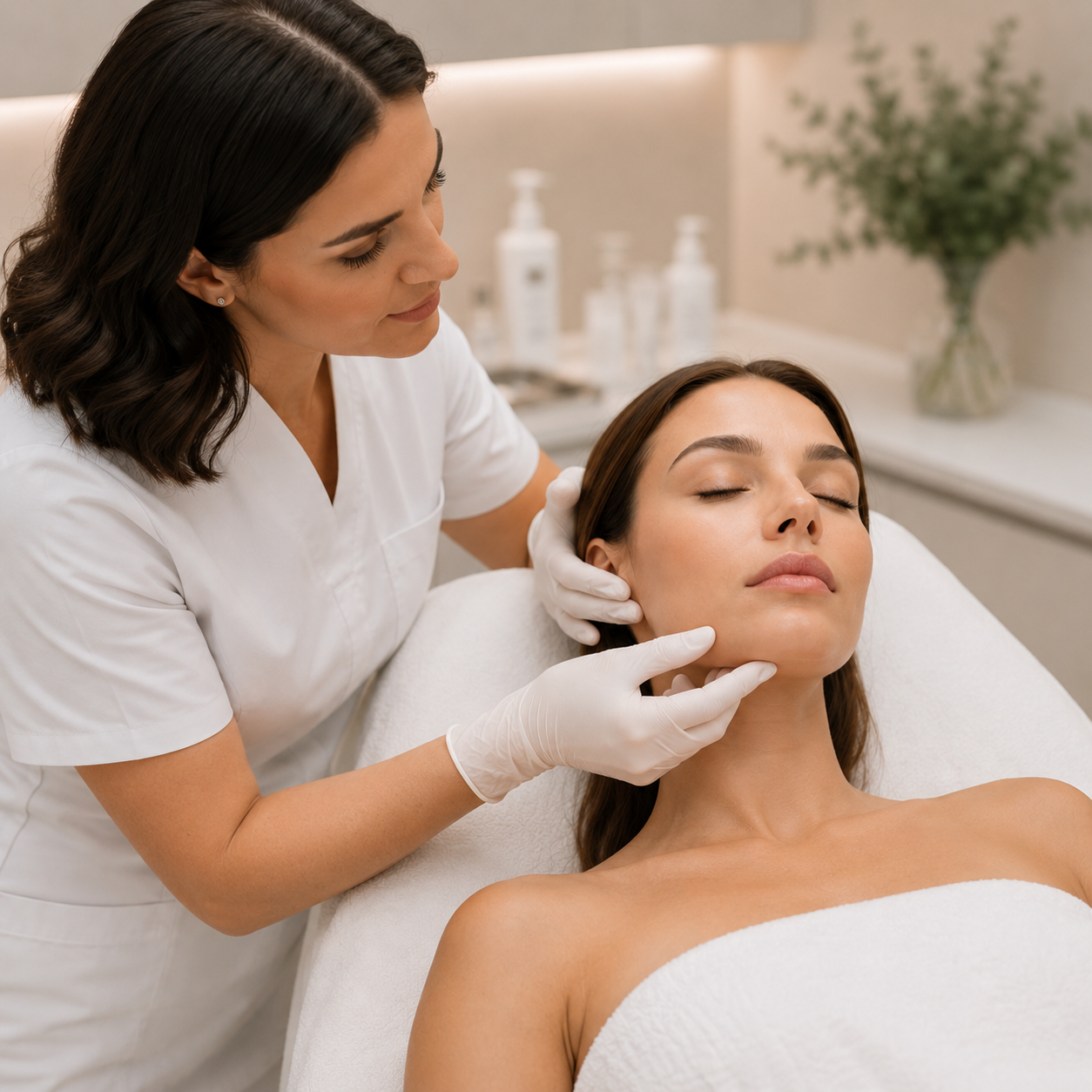
Expect normal short-term reactions
Mild swelling, tenderness, redness and bruising can occur after dissolving cheek filler and usually settle within a few days. Patients should avoid touching the area, intense exercise, alcohol and heat treatments for 24 to 48 hours. Clear aftercare instructions help clinics manage expectations and support safe recovery.
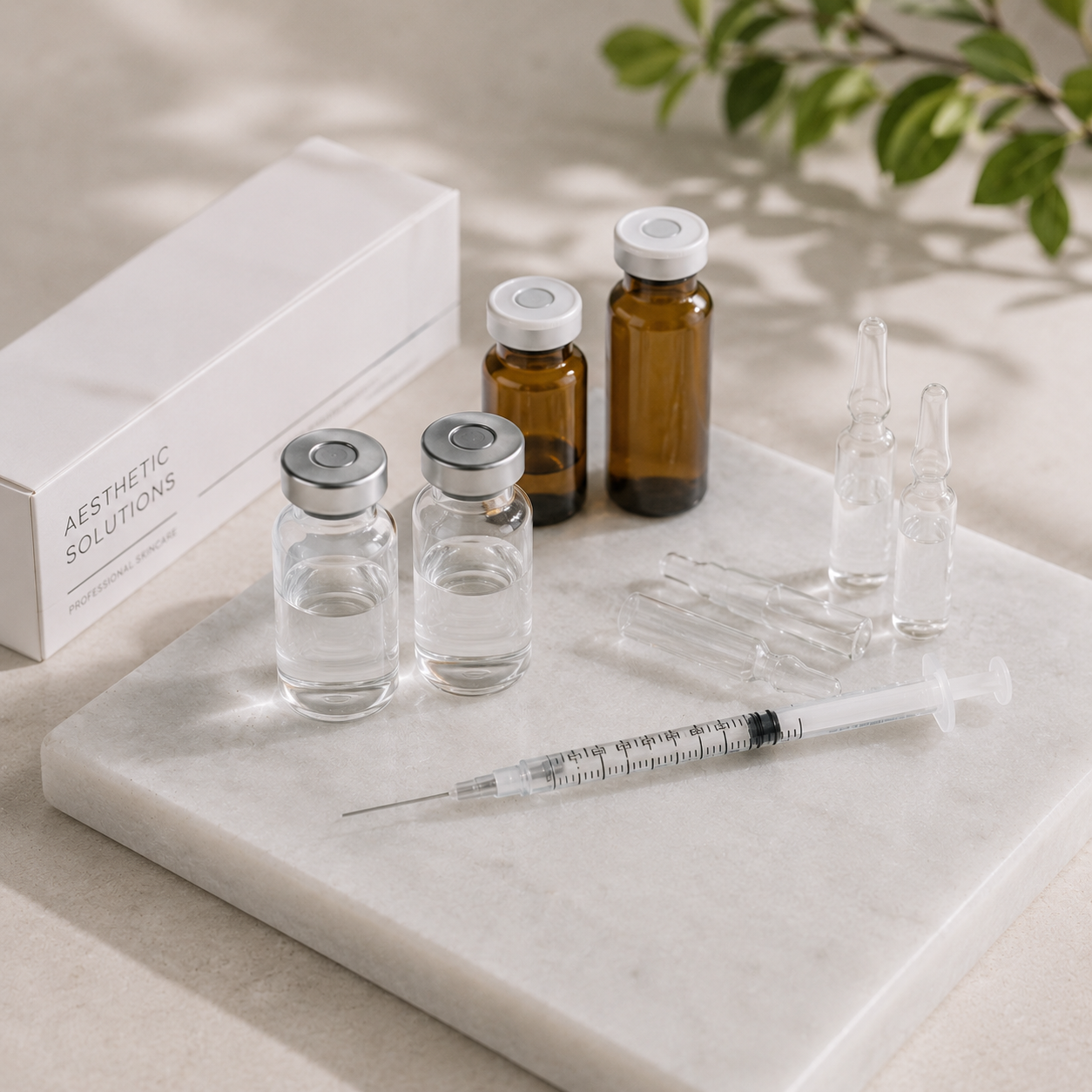
Know when to review
A follow-up review is important to assess whether further dissolving is needed or if the area should be left to settle. Patients should be told to seek urgent advice if they notice severe swelling, increasing pain, skin colour changes or signs of infection. Good review timing improves safety.
The Process of Dissolving Cheek Fillers
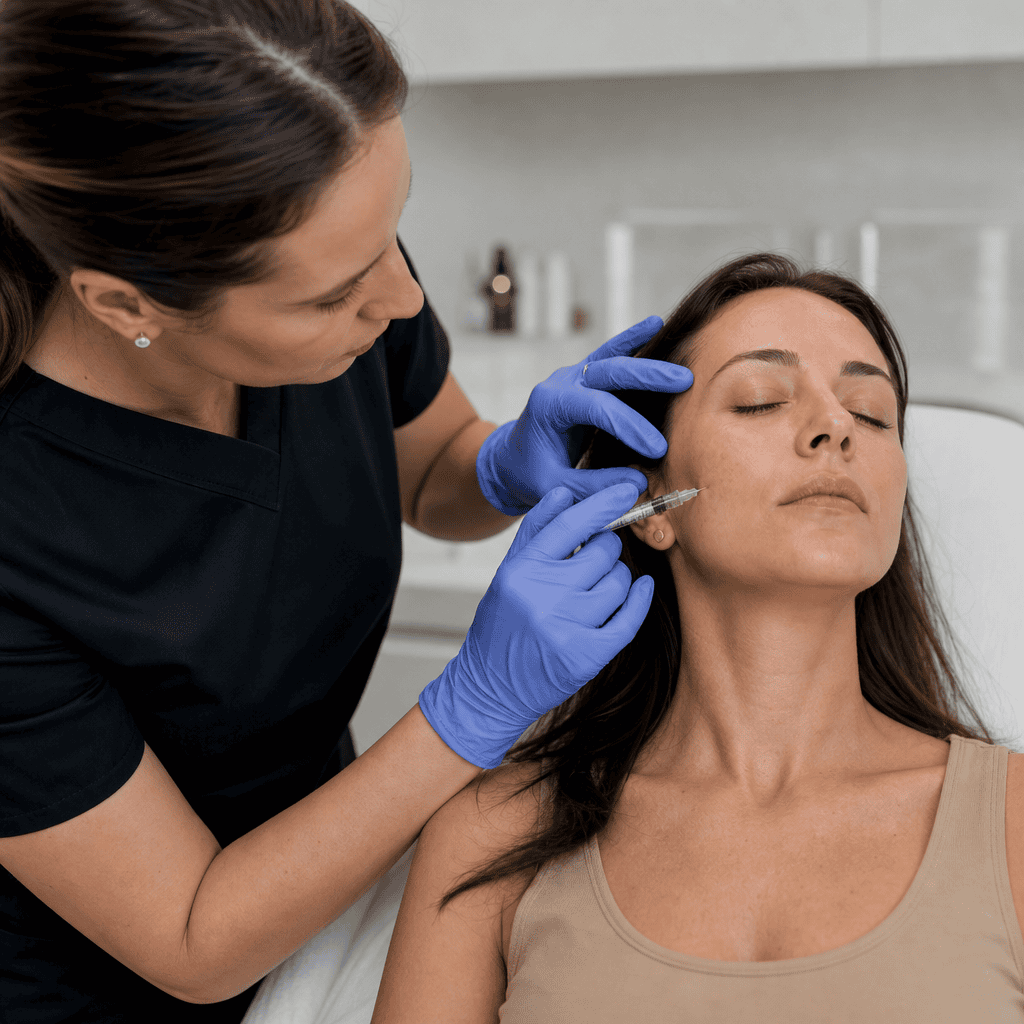
Dissolving cheek fillers is a precise procedure aimed at safely removing hyaluronic acid-based dermal fillers from the face. This process involves the use of hyaluronidase, an enzyme that breaks down the filler material. Aesthetic practitioners at Derma4U emphasize the importance of conducting a thorough assessment before proceeding. This includes evaluating the initial filler placement and understanding the patient’s medical history to ensure a safe and effective dissolution.
The procedure begins with cleansing and sterilizing the treatment area to minimize infection risks. Once the area is prepared, a qualified practitioner administers the hyaluronidase through a series of small injections. The enzyme works rapidly, often providing visible results within 24 to 48 hours. The effectiveness of the procedure depends on the quantity of filler initially used and the individual’s response to the enzyme.
Post-treatment care is crucial for achieving optimal results and supporting skin health. Patients are advised to avoid strenuous activities, alcohol, and excessive sun exposure for several days following the procedure. Derma4U provides a range of post-treatment skincare products to aid recovery and maintain skin integrity. Proper aftercare ensures that clients can enjoy the benefits of a smooth, filler-free appearance safely and effectively.
The 5 Most Important Questions to Ask about Dissolving Cheek Fillers
What are the safety measures to consider when using dissolving cheek filler?
Ensure the practitioner is qualified and experienced, and uses high-quality, professional-grade products. Conduct a thorough consultation to assess medical history and potential allergies. Follow strict hygiene protocols and provide comprehensive aftercare instructions to minimise risks and promote optimal healing after dissolving cheek filler procedures.
How can I ensure proper aftercare after receiving dissolving cheek filler?
Ensure proper aftercare by avoiding strenuous activities and excessive heat exposure for at least 24 hours. Keep the treated area clean and moisturised, and follow any specific instructions provided by your practitioner. Monitor for any unusual reactions and consult your aesthetic professional if you have concerns.
What potential side effects should I be aware of when dissolving cheek filler?
When dissolving cheek filler, potential side effects may include swelling, bruising, redness, and tenderness at the injection site. In rare cases, allergic reactions or infections can occur. It's crucial to follow professional aftercare advice and consult a qualified practitioner to minimise risks and ensure safe treatment.
How long does it take for dissolving cheek filler to show results?
Results from dissolving cheek filler typically become noticeable within 24 to 48 hours after treatment. The enzyme used to dissolve the filler works quickly to break down the hyaluronic acid, allowing the body to naturally absorb it. Full effects may be observed within a week.
What should I do if I experience complications after a dissolving cheek filler treatment?
If you experience complications after a dissolving cheek filler treatment, promptly contact your aesthetic practitioner for advice. They can assess your symptoms and provide appropriate guidance or treatment. It is crucial to follow their instructions and seek medical attention if symptoms worsen or if you experience severe reactions.
Understanding Cheek Filler Dissolution
Dissolving cheek fillers is a crucial process for aesthetic professionals who want to address complications or achieve optimal results. The primary agent used for this procedure is hyaluronidase, which effectively breaks down hyaluronic acid-based fillers. Safety protocols are vital during this process; practitioners should be well-trained and follow established guidelines to minimize risks. It’s important to assess the patient’s medical history and any allergies to ensure a safe treatment experience.
Post-treatment care is equally significant in enhancing the outcomes of dissolving cheek fillers. Patients should be advised to avoid strenuous activities, excessive sun exposure, and certain skincare products for at least 24 hours following the procedure. Monitoring for potential side effects, such as swelling or bruising, is essential, and patients should be informed about what to expect during recovery. Understanding these aspects will help ensure successful outcomes and patient satisfaction.
Dissolving Cheek Filler Safety & Aftercare
Learn the top three considerations for safely dissolving cheek fillers and ensuring proper aftercare for optimal results and skin health.
Consult a Qualified Professional
Always seek advice from a certified practitioner to ensure safe and effective cheek filler dissolution, minimizing risks and complications.
Understand the Procedure
Familiarize yourself with the process, including potential side effects, to ensure you are prepared and informed before proceeding.
Follow Aftercare Instructions
Adhere strictly to aftercare guidelines provided by your practitioner to promote healing and maintain skin health post-procedure.
Frequently Asked Questions about Dissolving Cheek Fillers
What are the safety measures for using dissolving cheek fillers?
Safety measures for using dissolving cheek fillers include ensuring the procedure is performed by a qualified professional, conducting a thorough medical history review, and using high-quality, professional-grade products. Practitioners should also follow strict hygiene protocols and provide comprehensive aftercare instructions to minimise risks and ensure optimal results.
How can dissolving cheek fillers help reduce wrinkles and smile lines?
Dissolving cheek fillers can help reduce wrinkles and smile lines by removing excess filler material that may have migrated or been incorrectly placed. This process allows for a more natural facial contour, potentially smoothing out the appearance of lines and wrinkles, and restoring a balanced aesthetic.
What aftercare steps should I follow after receiving dissolving cheek filler treatment?
After receiving dissolving cheek filler treatment, it is important to avoid touching or massaging the treated area for at least 24 hours. Refrain from strenuous exercise, alcohol consumption, and exposure to extreme temperatures for a few days. Follow any specific aftercare instructions provided by your practitioner to ensure optimal results.
Are there any side effects associated with dissolving cheek fillers for smile line reduction?
Dissolving cheek fillers can lead to temporary side effects such as swelling, redness, or bruising at the injection site. In rare cases, allergic reactions or infections may occur. It is crucial for aesthetic professionals to follow safety protocols and provide appropriate aftercare to minimise risks and ensure patient comfort.
How do I choose the right practitioner for dissolving cheek filler treatments?
Choose a qualified practitioner by ensuring they are registered with a recognised professional body, such as the General Medical Council or the British Association of Aesthetic Plastic Surgeons. Verify their experience with dissolving cheek fillers and check reviews or testimonials from previous clients to ensure high standards of care and safety.