
Understanding Dissolving Cheek Fillers: A Comprehensive Guide
Products for Filler Dissolving and Facial Correction
Explore hyaluronidase, hyaluronic acid fillers, biofiller options and aftercare products used by UK aesthetic professionals to dissolve cheek filler, refine smile lines, treat forehead lines and support balanced facial results.
4 Practical Things to Know About Dissolving Cheek Filler
Check Filler Type First
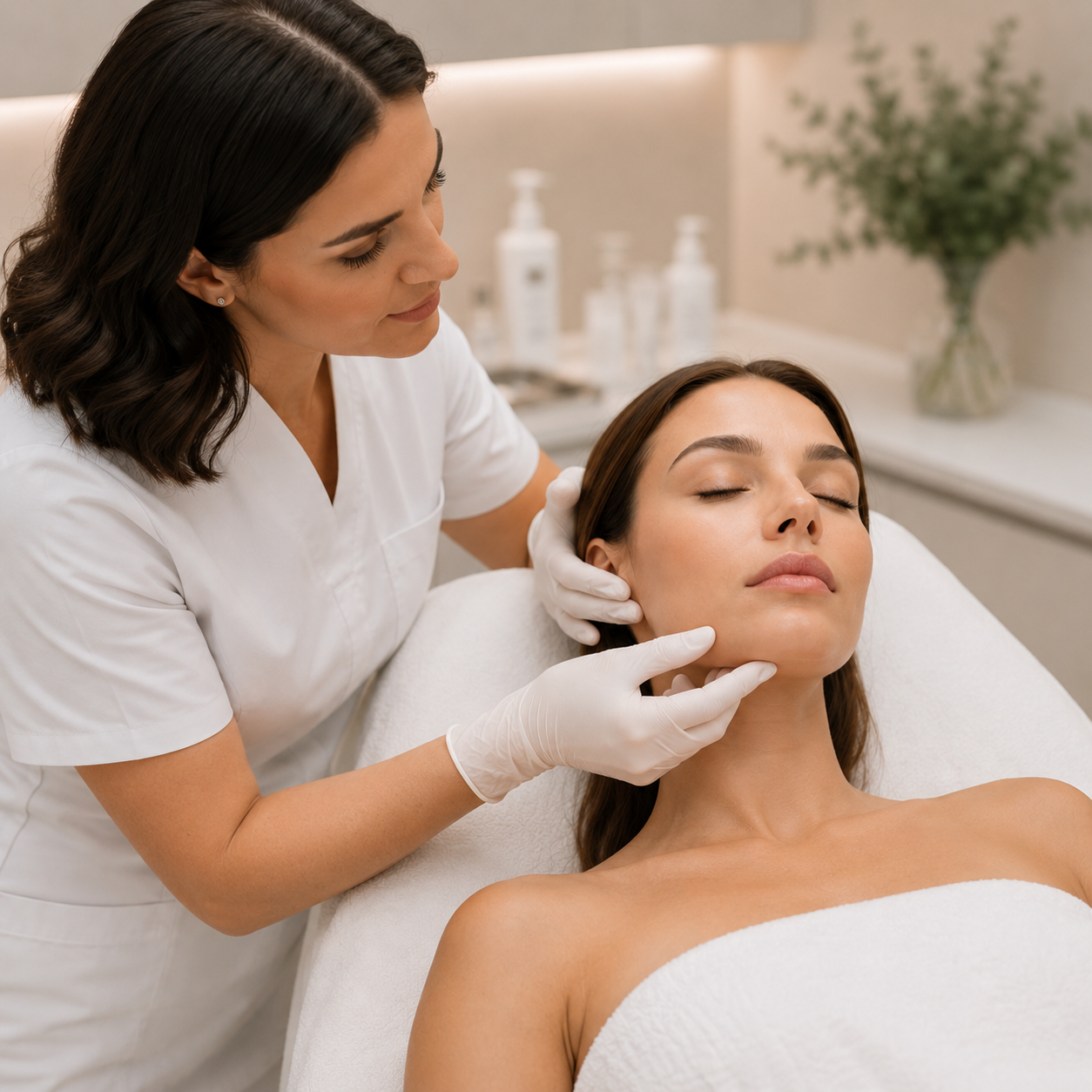
Before dissolving cheek filler, confirm what product was originally injected. Hyaluronidase works on hyaluronic acid fillers but not on all alternatives, including some biofiller treatments. Accurate product history helps avoid ineffective treatment, especially when reviewing previous work involving smile lines treatment, glabellar filler or filler in forehead lines.
Assess The Whole Face
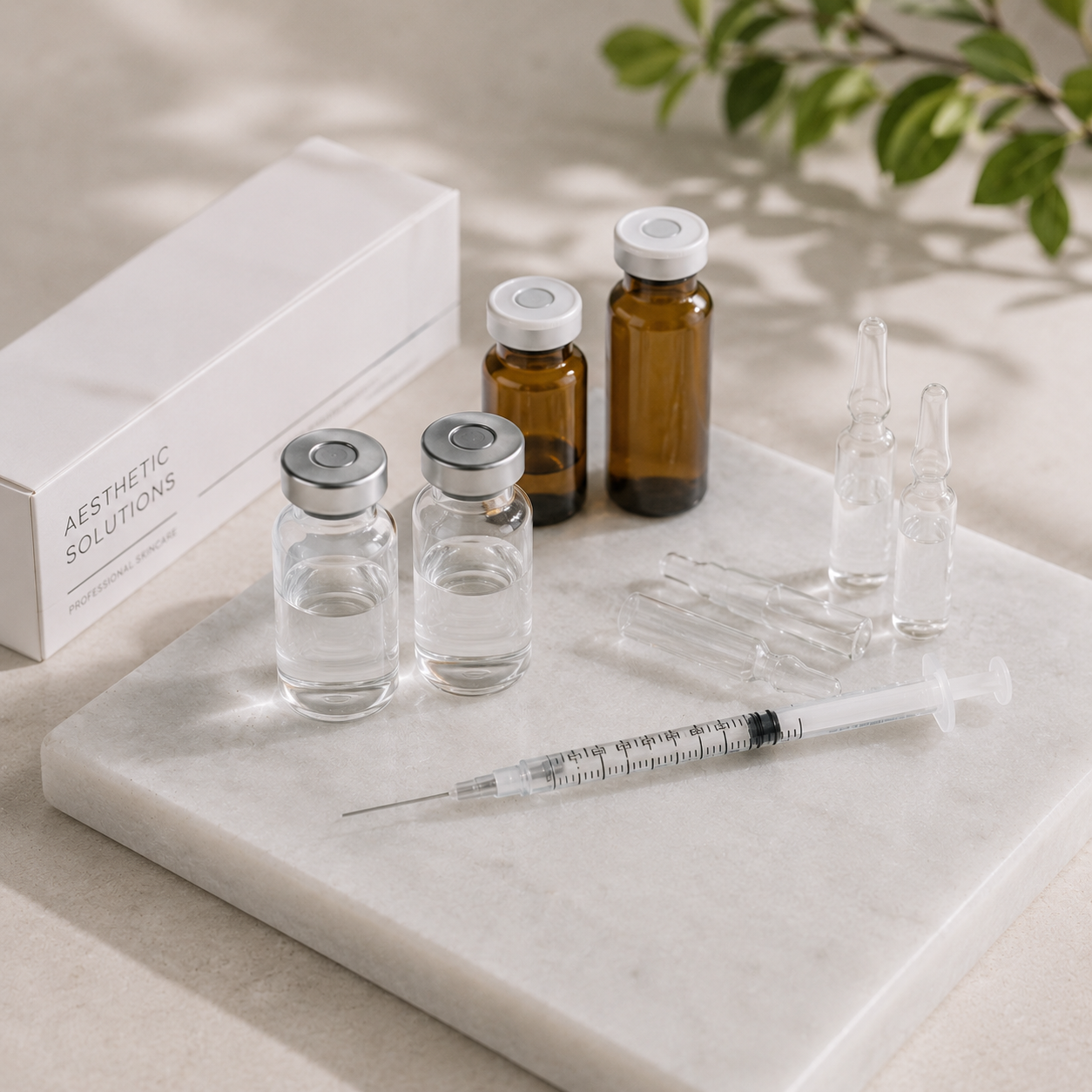
Cheek filler affects overall facial balance, so assess more than the cheeks alone. Volume loss, migration and overcorrection can influence nearby areas. Practitioners should review mid-face structure, symmetry and skin quality before treatment. This is particularly important where patients have also had hyacorp face filler or multiple filler sessions.
Use Safe Clinical Protocols
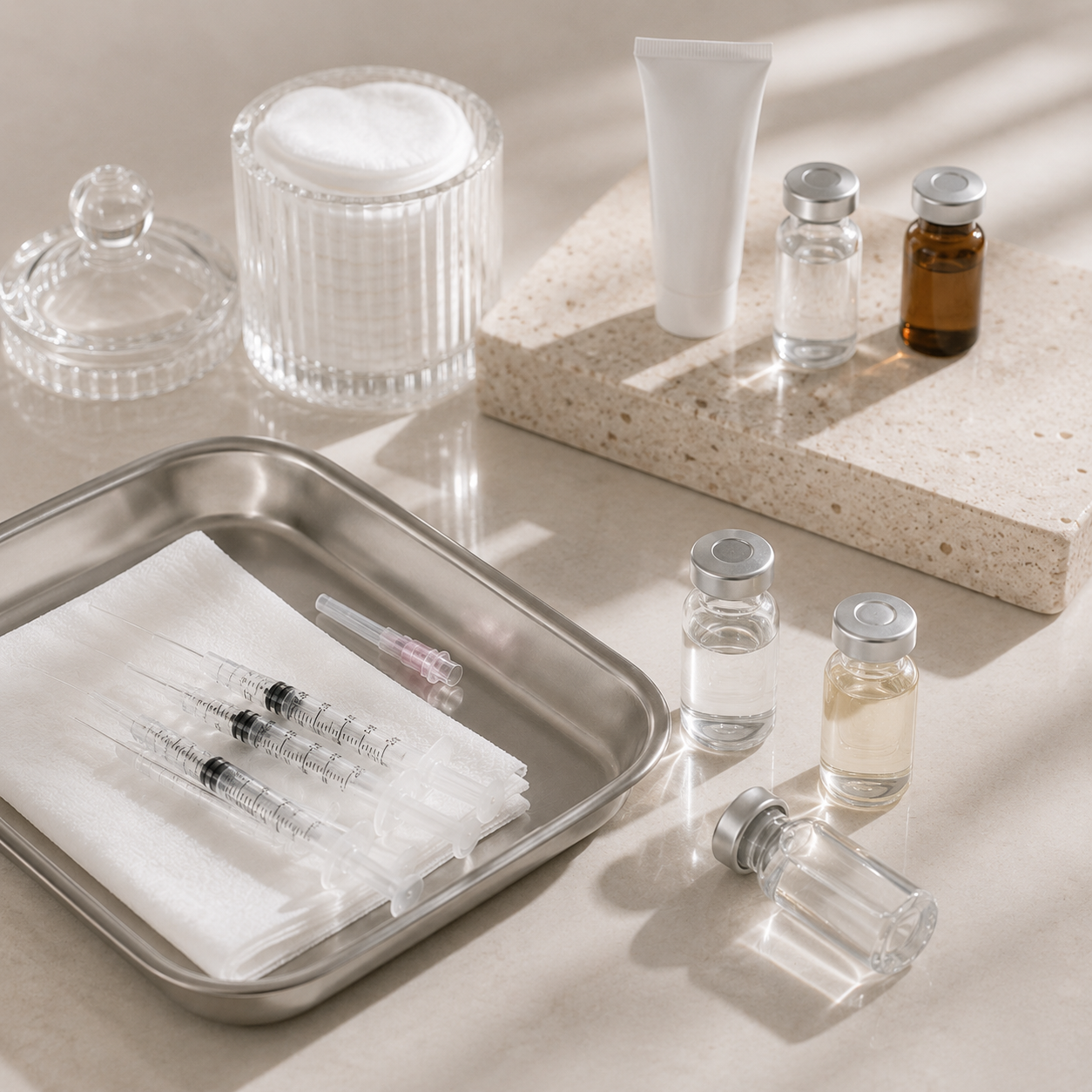
Dissolving cheek filler requires correct dosing, patch testing where appropriate, informed consent and emergency preparedness. UK clinics should document batch numbers, treatment areas and response carefully. If vascular compromise is suspected, urgent action is needed. Only trained professionals should handle dissolving filler products and related injectable aesthetic treatments.
Plan Aftercare And Review
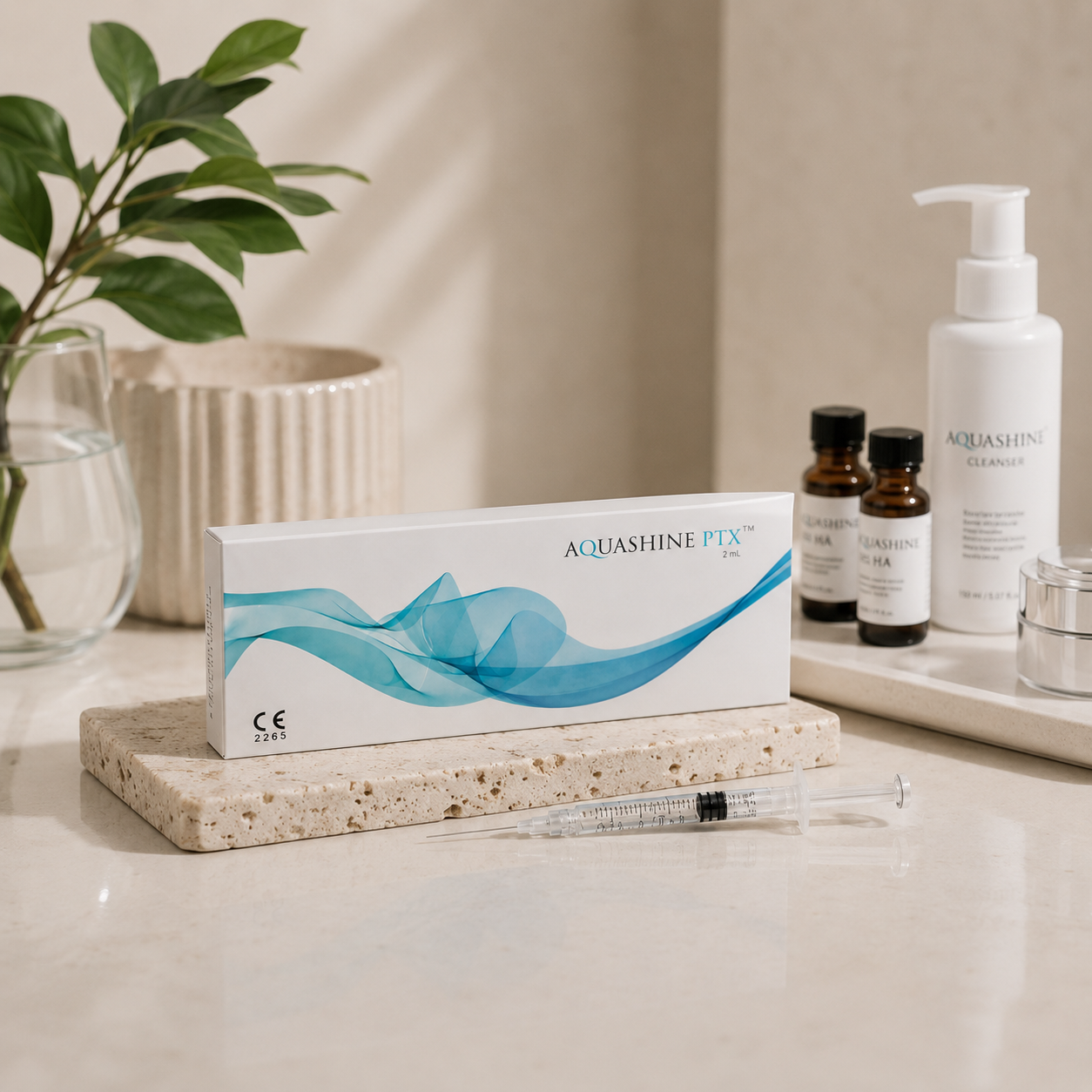
Patients should understand that results may not be immediate and more than one session can be needed. Swelling, tenderness and temporary unevenness are possible after dissolving cheek filler. Clear aftercare guidance and follow-up reviews help manage expectations, support healing and inform whether future correction or replacement treatment is appropriate.
The Process of Dissolving Cheek Fillers
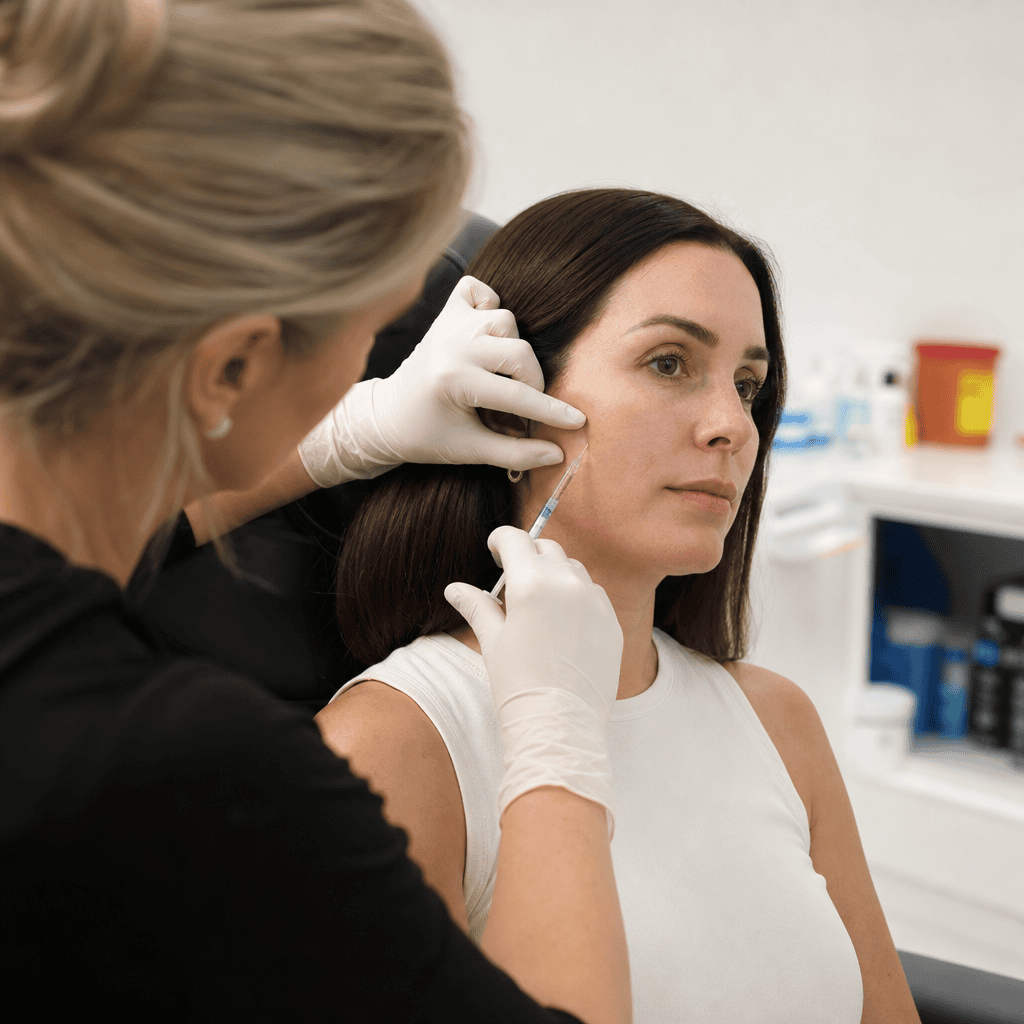
Dissolving cheek fillers is a precise procedure that requires the expertise of trained aesthetic professionals. At its core, the process involves the injection of a specialized enzyme, often hyaluronidase, which effectively breaks down hyaluronic acid-based fillers. This enzyme acts swiftly, usually within a few hours to a couple of days, allowing the body to naturally metabolize the dissolved filler material.
Preparation and aftercare are vital components of the dissolving process. Before the procedure, a thorough consultation is conducted to assess the filler placement and volume, ensuring that the treatment is customized to the client’s needs. Post-treatment care involves monitoring the area for any reactions and providing guidelines on what to expect and how to optimize healing, ensuring client comfort and satisfaction.
At Derma4U, we supply a range of professional-grade aesthetic products, including those for dissolving fillers. Our products are designed for use by clinics and practitioners in the UK, ensuring they have access to reliable and effective solutions for various cosmetic treatments. This supports professionals in delivering safe and successful outcomes for their clients.
The 5 Most Important Questions to Ask about Dissolving Cheek Filler
What is the process for dissolving cheek filler using fat dissolvers?
Dissolving cheek filler typically involves using an enzyme called hyaluronidase, not fat dissolvers. Hyaluronidase is injected into the area to break down hyaluronic acid-based fillers safely and effectively. This procedure should be performed by a qualified aesthetic professional to ensure optimal results and minimise potential complications.
How long does it take to see results after dissolving cheek filler?
Results from dissolving cheek filler typically become noticeable within 24 to 48 hours, although it may take up to two weeks for the full effects to be visible. The timeline can vary depending on individual factors and the amount of filler initially used. Always consult with a qualified professional for personalised advice.
Are there any risks or side effects associated with dissolving cheek filler?
Dissolving cheek filler can lead to temporary side effects such as swelling, redness, or bruising at the injection site. In rare cases, allergic reactions or infections may occur. It is crucial to have the procedure performed by a qualified professional to minimise risks and ensure proper care.
What types of fat dissolvers are recommended for cheek filler removal?
For dissolving cheek fillers, hyaluronidase is the most commonly recommended enzyme. It effectively breaks down hyaluronic acid-based fillers, allowing for safe and efficient removal. Always ensure that a qualified aesthetic professional administers the treatment to achieve optimal results and minimise potential side effects.
How can I ensure the best results when using fat dissolvers for cheek fillers?
To ensure optimal results when using fat dissolvers for cheek fillers, always consult a qualified aesthetic professional. They can assess your specific needs and administer the treatment safely. Follow their aftercare advice meticulously, and ensure you use high-quality, professional-grade products suitable for your skin type and condition.
Understanding Dissolving Cheek Fillers
Dissolving cheek fillers is an essential process for those who may want to reverse or adjust their facial volume treatments. Typically composed of hyaluronic acid, these fillers can be safely dissolved using specialized products like hyaluronidase, which breaks down the hyaluronic acid in the filler. This is particularly useful for correcting overfilled areas or addressing any dissatisfaction with the initial results.
It’s important for both clients and practitioners to understand that while dissolving fillers is a straightforward procedure, it should only be performed by trained professionals in a clinical setting. Knowing the right techniques and products, such as biofillers and specific treatments for smile lines, can facilitate a smooth experience and enhance overall satisfaction. By understanding the options available for dissolving fillers, clients can make informed decisions about their aesthetic goals and ensure the best possible outcomes.
Top 3 Things About Dissolving Cheek Filler
Key insights into dissolving cheek filler for aesthetic professionals.
Understanding the Process
Dissolving cheek filler involves using hyaluronidase to break down hyaluronic acid-based fillers, effectively reversing the treatment and restoring natural contours.
When to Consider Dissolving
Consider dissolving filler if results are unsatisfactory, asymmetrical, or if complications arise, ensuring patient safety and satisfaction with aesthetic outcomes.
Choosing the Right Products
Select high-quality hyaluronidase products, ensuring compatibility with existing fillers and adherence to professional guidelines for optimal results.
Frequently Asked Questions about Dissolving Cheek Fillers
What are the benefits of using dissolving cheek filler for smile lines treatment?
Using dissolving cheek filler for smile lines treatment offers precise correction and natural-looking results by breaking down unwanted filler safely and effectively. This approach allows aesthetic professionals to adjust or remove fillers, ensuring optimal patient satisfaction and reducing the risk of overfilling or asymmetry in facial contours.
How does dissolving filler work to reduce forehead lines and glabellar filler areas?
Dissolving fillers, such as hyaluronidase, are used to break down hyaluronic acid-based fillers in the forehead and glabellar areas. This enzyme accelerates the natural degradation process, effectively reducing unwanted filler and smoothing the treated areas. It is administered by trained professionals to ensure safety and optimal results.
What should I expect during the process of dissolving cheek filler with biofiller products?
During the process of dissolving cheek filler with biofiller products, a trained professional will inject an enzyme solution to break down the filler material. This typically results in the gradual reduction of the filler over a few days, with minimal discomfort and downtime, allowing for a more natural appearance.
Are there any risks or side effects associated with using hyacorp face filler for dissolving cheek filler?
Using Hyacorp face filler to dissolve cheek filler can carry risks and side effects, including swelling, bruising, and potential allergic reactions. It is crucial for trained professionals to assess individual cases and perform the procedure in a controlled environment to minimise these risks. Always consult with a qualified practitioner before proceeding.
How can I choose the right dissolving filler for my specific cosmetic needs?
To select the appropriate dissolving filler, consult a qualified aesthetic professional who can assess your specific cosmetic needs and recommend suitable products. Consider factors such as the type of filler used, treatment area, and desired outcome. Always ensure the chosen product is reputable and suitable for professional use.