
Understanding Botox and Dermal Fillers for Forehead Treatments
Discover Botox, dermal fillers and skin boosters suited to forehead lines and anti-wrinkle treatments. Explore professional-grade injectables and aftercare trusted by UK aesthetic practitioners and clinics.
Understanding Botox and Dermal Fillers for Forehead Treatments
When it comes to addressing forehead lines and wrinkles, both Botox and dermal fillers offer unique benefits. Botox, a neuromodulator, works by temporarily relaxing the muscles responsible for dynamic wrinkles, such as frown lines and forehead creases. This treatment effectively smooths out existing lines and prevents new ones from forming, making it ideal for those looking to maintain a youthful appearance.
On the other hand, dermal fillers, typically composed of hyaluronic acid, provide volume and hydration to the skin, helping to fill in static wrinkles and enhance facial contours. While fillers can be used to soften lines and add fullness, they are not designed to relax muscles. Understanding these differences is essential for choosing the right treatment for your specific needs. By exploring both options, you can make an informed decision about the best approach to achieve a smoother forehead.
Botox vs Dermal Fillers: Forehead
Understanding the differences between Botox and dermal fillers for forehead treatments is essential for achieving optimal aesthetic results. Both options offer unique benefits tailored to individual needs, enhancing facial rejuvenation effectively.
Understanding Botox for Forehead Treatments
Botox is designed to relax the muscles responsible for forehead lines, providing a smoother appearance. It effectively diminishes the visibility of frown lines and crow's feet.
Exploring Dermal Fillers for Forehead Enhancement
Dermal fillers add volume and hydration to the forehead area, targeting deeper lines and folds. They create a plumper and more youthful look, complementing Botox treatments.
Choosing the Right Treatment for You
The decision between Botox and dermal fillers depends on your specific concerns. Consulting with a qualified aesthetic professional will help determine the most suitable option for achieving your desired results.
The 5 Most Important Questions to Ask about Botox and Dermal Fillers for Forehead Treatments
What are the key differences between Botox and dermal fillers for treating forehead lines?
Botox and dermal fillers serve different purposes for forehead lines. Botox relaxes the muscles to reduce dynamic wrinkles caused by facial expressions, while dermal fillers add volume to smooth static lines. Both treatments require professional administration for optimal results and safety.
How long do the effects of dermal fillers last compared to Botox when addressing glabellar lines?
Dermal fillers typically last between 6 to 18 months when used for glabellar lines, depending on the product and individual factors. In contrast, Botox effects generally last about 3 to 4 months. Both treatments require periodic maintenance to sustain the desired results. Always consult a qualified practitioner for personalised advice.
Are there any risks or side effects associated with using dermal fillers for forehead treatments?
Using dermal fillers for forehead treatments can have risks and side effects, including swelling, bruising, redness, and tenderness at the injection site. In rare cases, more serious complications like infection or vascular occlusion may occur. It is crucial to have treatments administered by trained professionals to minimise risks.
What should I consider when choosing between Botox and dermal fillers for forehead rejuvenation?
When deciding between Botox and dermal fillers for forehead rejuvenation, consider the specific concerns you wish to address. Botox is effective for reducing dynamic wrinkles caused by muscle movement, while dermal fillers are better suited for adding volume and smoothing static lines. Consultation with a trained practitioner is essential to determine the best treatment for your needs.
Can I combine Botox and dermal fillers for a comprehensive approach to forehead and glabellar lines?
Yes, combining Botox and dermal fillers can offer a comprehensive approach to treating forehead and glabellar lines. Botox relaxes the muscles to reduce dynamic wrinkles, while dermal fillers add volume to smooth static lines. Always consult a trained practitioner to determine the best treatment plan for your needs.
Forehead Facts
Botox and dermal fillers differ: Botox relaxes muscles, while fillers add volume to smooth forehead wrinkles.
The Treatment Process Explained
When considering cosmetic treatments for forehead wrinkles, understanding the distinct processes of Botox and dermal fillers is essential. Botox, a neuromodulator, works by relaxing the underlying muscles that cause dynamic wrinkles, such as frown lines and forehead furrows. The procedure involves carefully injecting small amounts of Botox into the targeted areas, typically taking a few minutes per injection site, with results manifesting within a few days.
On the other hand, dermal fillers, often composed of hyaluronic acid, are used to plump up static lines and restore volume. This process involves injecting the filler into the skin to smooth out deeper lines and create a more youthful appearance. The effects are usually immediate, providing clients with instant satisfaction.
Both procedures require precision and expertise, which is why they are best performed by trained practitioners. Derma4U supplies high-quality products specifically for professional use, ensuring that aesthetic professionals across the UK can offer their clients safe and effective wrinkle reduction treatments.
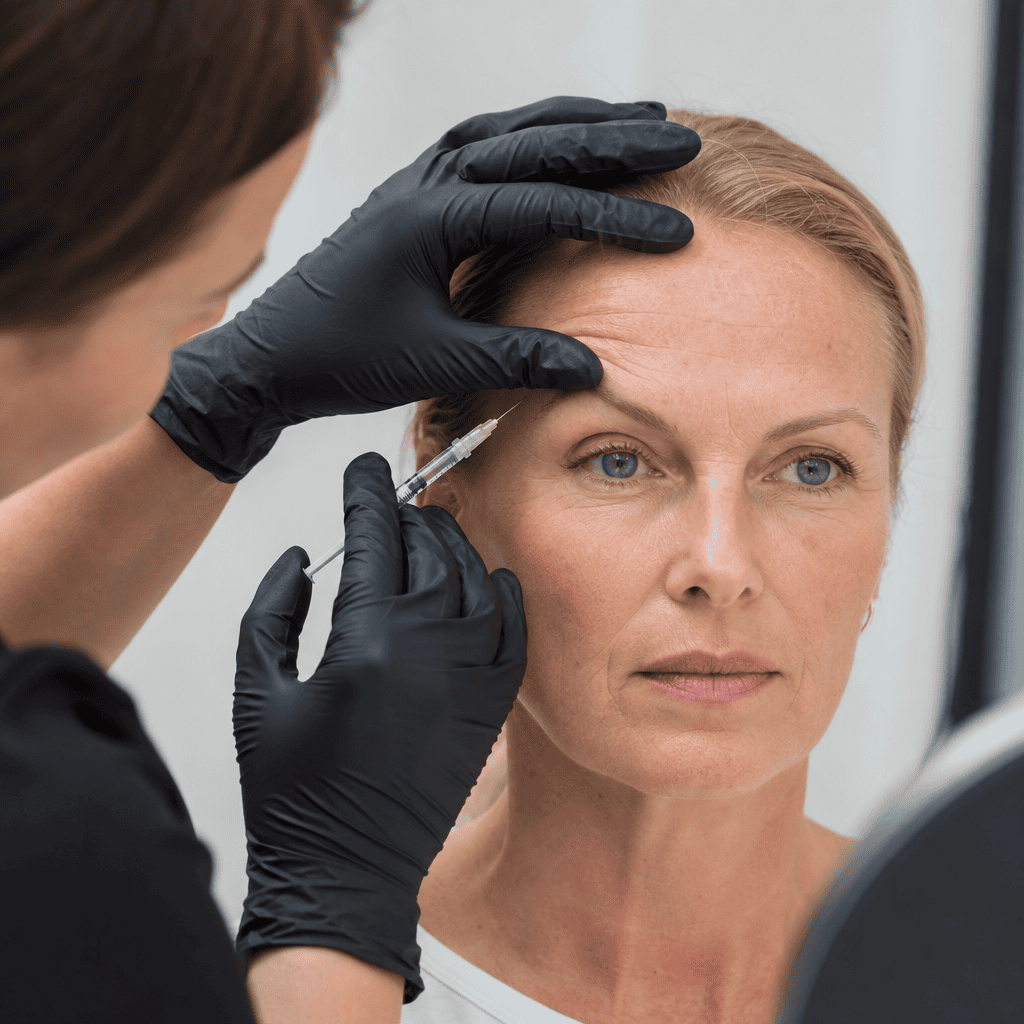
Top 3 Things About Botox vs Dermal Fillers for Forehead
Understanding the differences between Botox and dermal fillers can help you choose the best treatment for forehead wrinkles and achieve your desired aesthetic results.
Purpose and Functionality
Botox relaxes muscles to reduce wrinkles, while dermal fillers add volume to smooth out lines. Both target forehead wrinkles effectively but work differently.
Longevity of Results
Botox results typically last 3-4 months, whereas dermal fillers can last up to 18 months, depending on the product and individual metabolism.
Ideal Candidates
Botox suits those with dynamic wrinkles from facial expressions, while fillers are better for static lines and volume loss in the forehead area.
The 5 Most Important Questions to Ask about Botox and Dermal Fillers for Forehead Treatments
What are the best dermal fillers for treating forehead lines?
For treating forehead lines, hyaluronic acid-based dermal fillers like Juvederm and Restylane are often recommended. These fillers provide volume and smoothness, effectively reducing the appearance of lines. It's essential for treatments to be administered by trained professionals to ensure optimal results and safety.
How does Botox compare to dermal fillers for frown line removal?
Botox and dermal fillers serve different purposes for frown line removal. Botox relaxes the muscles that cause frown lines, reducing their appearance. Dermal fillers, on the other hand, add volume beneath the skin to smooth out lines. Both treatments are effective but work in distinct ways, depending on individual needs.
Can wrinkle fillers effectively reduce under eye wrinkles?
Wrinkle fillers, such as dermal fillers, can effectively reduce the appearance of under-eye wrinkles by adding volume and smoothing the skin. These treatments are typically performed by trained practitioners and offer a temporary solution for fine lines, enhancing the overall youthful appearance of the under-eye area.
What are the top-rated anti-wrinkle injectables for forehead treatment?
For forehead treatments, Botox is highly regarded for its effectiveness in relaxing muscles and smoothing wrinkles. Dermal fillers, like those containing hyaluronic acid, can also be used to add volume and smooth fine lines. Both options are popular among trained practitioners for achieving a rejuvenated appearance.
How long do the effects of forehead wrinkle Botox last?
The effects of Botox for forehead wrinkles typically last between three to four months. This duration can vary depending on individual factors such as metabolism and lifestyle. Regular maintenance treatments are recommended to sustain the desired smooth appearance. Always consult with a trained practitioner for personalised advice and treatment plans.