
Discover the Various Types of Lip Fillers and Treatments
Shop lip fillers, skin boosters and aesthetic essentials for subtle definition, volume and hydration. Explore trusted injectable products suitable for lip augmentation, contouring and lip line treatments used by UK practitioners.
Understanding Lip Fillers: Types and Treatments
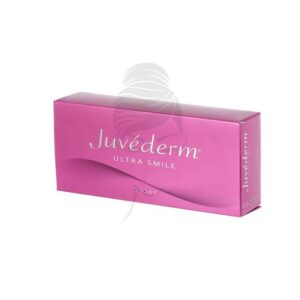
Lip fillers are injectable substances used to enhance the volume and shape of the lips, creating a fuller and more defined appearance. The most common type of lip filler is hyaluronic acid, a naturally occurring substance in the body that retains moisture and provides structure to the skin. Various techniques, such as the Russian lip technique, target specific areas of the lips for a more tailored enhancement, while different brands, like Juvederm and Revolax, offer a range of formulations to achieve diverse results.
It’s essential to understand the options available, including temporary and semi-permanent fillers, to make informed decisions about lip augmentation. Factors such as desired lip shape, volume, and individual anatomical considerations play a vital role in selecting the appropriate treatment. By exploring the types of lip fillers and their benefits, you can better appreciate the potential for achieving natural-looking enhancements tailored to your aesthetic goals.
Lip Fillers: Types & Treatments
Explore the various types of lip fillers and treatments available at Derma4U, designed to enhance aesthetic appeal and provide lasting results for clients seeking lip augmentation.
Types of Lip Fillers
Lip fillers come in various formulations, including hyaluronic acid and collagen-based options, each offering unique benefits for enhancing lip volume and contour.
Benefits of Lip Augmentation
Lip augmentation not only enhances fullness but also improves lip symmetry, creating a more balanced and youthful appearance that clients desire.
Choosing the Right Treatment
Selecting the appropriate filler type is crucial; practitioners should assess client needs and preferences to achieve the best aesthetic outcomes in lip enhancement.
The 5 Most Important Questions to Ask about Lip Fillers
What are the different types of lip fillers available for augmentation?
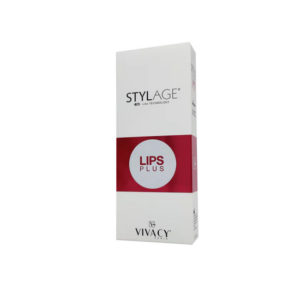
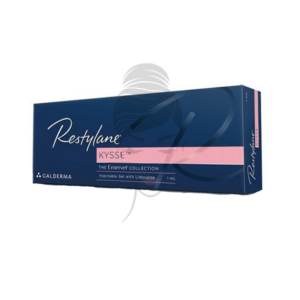
Lip fillers for augmentation typically include hyaluronic acid-based options such as Juvederm, Restylane, and Revolax. These fillers are popular for their ability to provide natural-looking volume and hydration. Other options may include collagen-based fillers and newer formulations like Teosyal and Stylage, each offering unique benefits for enhancing lip aesthetics.
How do lip fillers compare to other dermal fillers in terms of treatment results?
Lip fillers specifically target the lips to enhance volume and shape, offering immediate results with minimal downtime. In contrast, other dermal fillers are used to address various facial areas, such as cheeks or smile lines, to restore volume and smoothness. Both types provide temporary results, typically lasting several months.
What are the most popular lip filler treatments offered by aesthetic clinics?
Aesthetic clinics frequently offer popular lip filler treatments such as Juvederm, Restylane, and Revolax. These treatments use hyaluronic acid-based fillers to enhance lip volume, shape, and hydration, providing natural-looking results. Each option varies in longevity and specific benefits, allowing practitioners to tailor treatments to individual client needs and preferences.
How long do lip fillers typically last, and what factors can affect their longevity?
Lip fillers generally last between 6 to 12 months, depending on the type of filler used and individual factors such as metabolism, lifestyle, and skin type. Regular maintenance and touch-ups can help prolong the effects. Factors like smoking, sun exposure, and exercise may also influence the longevity of the results.
What should I know about post-treatment care after receiving lip fillers?
After receiving lip fillers, avoid strenuous exercise, excessive heat, and alcohol for 24 hours. Keep the area clean, and refrain from touching or massaging your lips. Use a cold compress to reduce swelling and avoid makeup on the treated area for at least 12 hours. Follow any specific aftercare instructions from your practitioner.
Lip Filler Origins
The first lip filler was developed in the early 20th century using paraffin wax to achieve fuller lips.
The Lip Filler Procedure Explained
The process of getting lip fillers begins with a thorough consultation with a qualified aesthetic professional. During this initial assessment, your practitioner will discuss your desired results, assess your facial structure, and select the appropriate type of filler. This ensures a personalized approach tailored to enhance your natural features.
Once the consultation is complete, the procedure itself typically takes less than an hour. The practitioner will use a fine needle or cannula to inject the chosen filler into the lips. Topical anaesthetic is often applied to minimize discomfort, ensuring a relatively painless experience. The filler not only adds volume but also hydrates the lips due to its hyaluronic acid content, leaving them looking plumper and more youthful.
After the procedure, it’s important to follow any aftercare instructions provided by your practitioner. Common advice includes avoiding strenuous activity and extreme temperatures for a few days. Swelling and minor bruising are normal but typically subside within a week. For optimal results, it is advised to schedule follow-up appointments as recommended by your aesthetic expert.
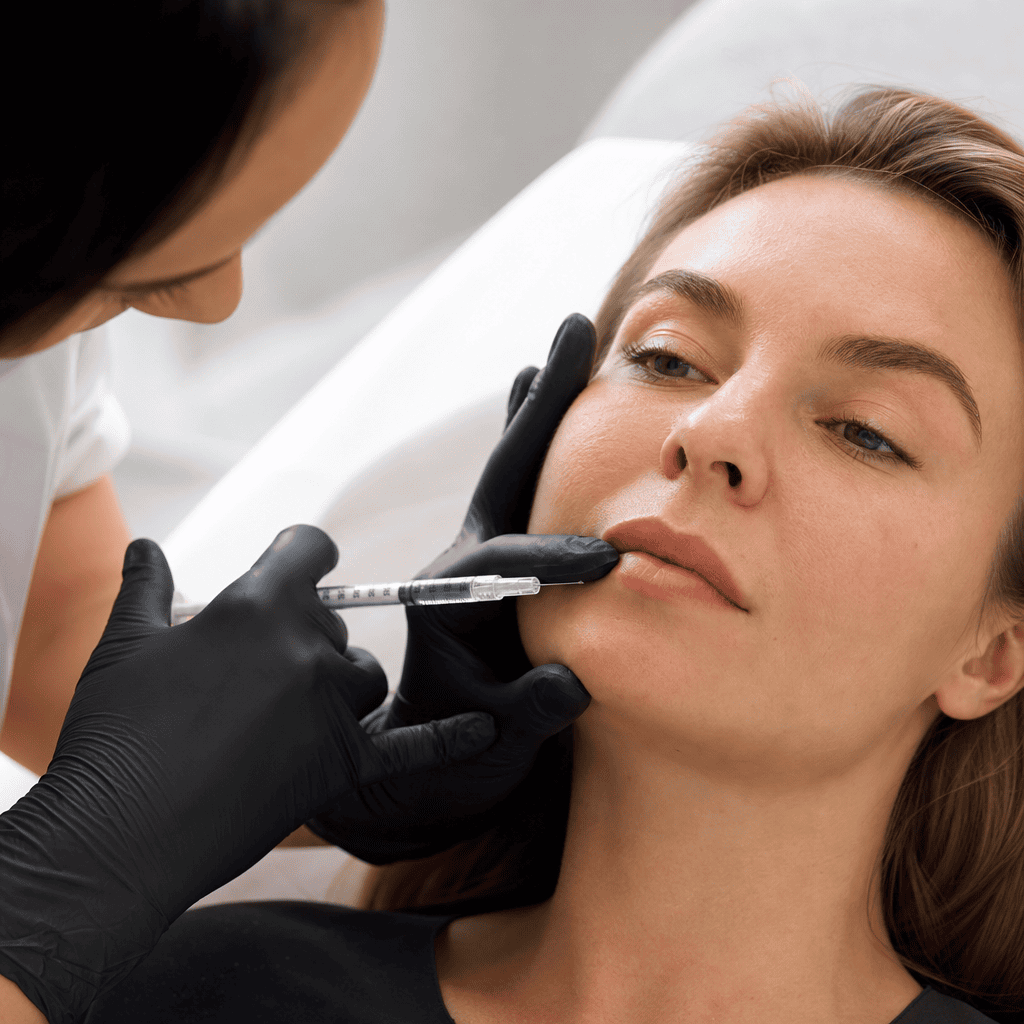
Top 3 Things About Lip Fillers
Discover the essentials of lip fillers, including types, treatments, and benefits, to enhance your understanding of this popular cosmetic procedure.
Types of Lip Fillers
Various lip fillers, like hyaluronic acid-based options, offer different results. Popular choices include Juvederm, Restylane, and Revolax for natural-looking enhancements.
Lip Filler Treatments
Lip filler treatments can range from subtle enhancements to more dramatic changes, with options like 0.5 ml for a natural look or 1 ml for fuller lips.
Benefits of Lip Fillers
Lip fillers provide volume, shape, and symmetry, enhancing your natural beauty. They can also address concerns like thin lips or uneven contours.
The 5 Most Important Questions to Ask about Lip Fillers
What are the benefits of using 0.5 ml lip filler for lip augmentation?
Using 0.5 ml lip filler for augmentation offers a subtle enhancement, ideal for those seeking natural-looking results. It allows for precise contouring and volume adjustment, enhancing the lips' shape without an overly dramatic change. This approach suits individuals desiring a refined, balanced appearance while maintaining facial harmony.
How long do lip filler injections typically last before needing a touch-up?
Lip filler injections generally last between 6 to 12 months, depending on the type of filler used and individual factors such as metabolism and lifestyle. Regular touch-ups can help maintain the desired volume and shape, ensuring a consistent and natural appearance over time.
What are the different types of lip fillers available for achieving natural lip enhancement?
Various lip fillers are available for natural enhancement, including hyaluronic acid-based options like Juvederm, Restylane, and Revolax. These fillers are popular for their ability to add volume, smooth lines, and enhance lip shape while maintaining a natural look. Each offers unique properties suited to different aesthetic goals.
Is there a significant difference between 1 ml and 0.5 ml lip filler for lip plumping results?
The primary difference between 1 ml and 0.5 ml lip filler lies in the volume and intensity of the enhancement. A 1 ml filler provides a more noticeable plump and fuller appearance, while 0.5 ml offers a subtler, more natural enhancement. The choice depends on desired results and individual facial proportions.
What should I expect during a lip filler treatment session at a professional clinic?
During a lip filler treatment at a professional clinic, a trained practitioner will cleanse the area, apply a numbing cream, and use a fine needle or cannula to inject the filler into your lips. The procedure typically takes 30-45 minutes, with immediate results and minimal downtime expected.